
A History of The Winter Gardens Pavilion
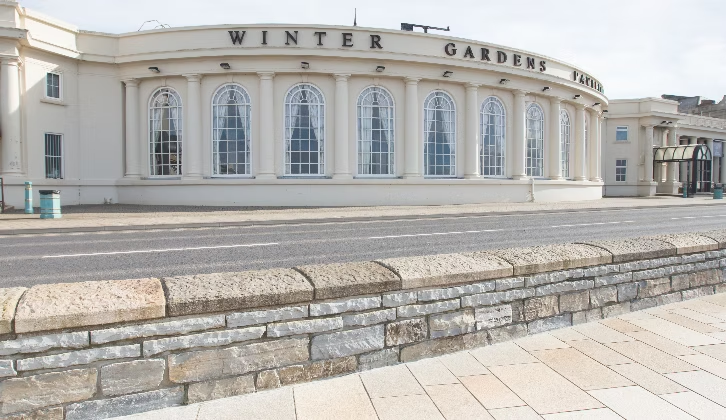
The Winter Gardens Pavilion is a landmark on Weston-super-Mare’s seafront and a vital part of the town’s history as a British seaside destination. Its story spans nearly a century, reflecting the evolution of entertainment, culture, and education in the town.
Below, you’ll find a timeline tracing the Winter Gardens Pavilion’s history from its early beginnings in 1914 through to the present day. This chronological overview highlights the key developments, transformations, and moments that have shaped the Pavilion’s role in Weston-super-Mare, illustrating how the venue has continually adapted to meet the needs of each new generation.
Our Timeline
Origins and Opening
- 1914: The Town Advertising Association first discussed the idea of a ballroom and indoor entertainment venue on Rogers’ Field, the future site of the Winter Gardens. Plans were delayed by the outbreak of the First World War.
- 1922: The local council purchased Rogers’ Field via compulsory purchase order, securing the site for the future Pavilion.
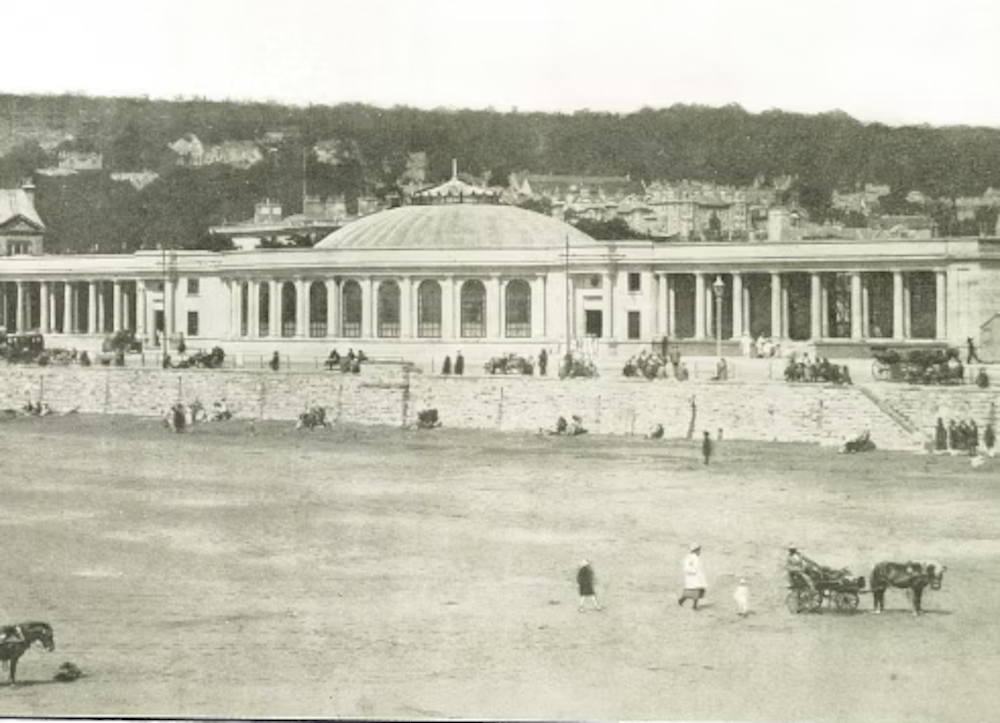
- 1924: The Pavilion was designed by celebrated landscape architect Thomas Hayton Mawson and town surveyor Harry Brown, blending elegant seaside architecture with cutting-edge design.
- 14 July 1927: The Winter Gardens officially opened at a cost of £35,000. Its ballroom featured one of the country’s most advanced coloured lighting systems, earning it the nickname the “House of a Thousand Lights.”
The 1920s design and attention to detail made the Pavilion a striking addition to Weston’s seafront and a symbol of modern seaside entertainment.
Wartime Resilience

The Heyday of Live Entertainment
Post-war renovations modernised the venue and laid the groundwork for a golden era of live music:
- 1950’s: Episodes of the BBC’s Come Dancing were filmed at the Pavilion during the late 1950s, with, a West region heat broadcast on 16 November 1959.
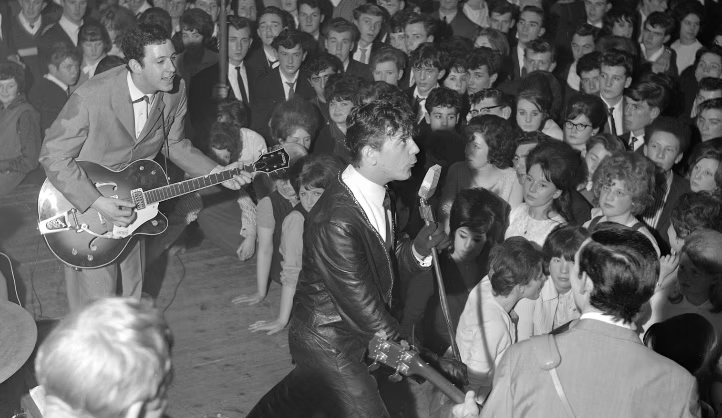
- 15 February 1964: Cilla Black performed.
- 11 & 29 February 1967: Small Faces played packed shows.
- 13 January 1968: Pink Floyd brought their psychedelic sound to Weston.
- 20 March 1971: Marc Bolan and T. Rex performed.
- 1 July 1972: David Bowie, with The Spiders From Mars, appeared as part of his Ziggy Stardust Tour.
- 21 October 1972: Faces (Rod Stewart / Ronnie Wood era) played the Pavilion.
The Winter Gardens regularly drew full houses and became one of the town’s key cultural hubs.
Challenges and Redevelopment
By the late 1970s, competition from larger venues in Bristol and elsewhere began to affect trade at the Pavilion. Various proposals for alterations or redevelopment were considered, ranging from minor updates to demolition.
- 1989: North Somerset Council undertook a major refurbishment and expansion, creating a large conference hall and additional catering facilities. This renovation, alongside the creation of the Sovereign Shopping Centre in the 1990s, altered much of the original Italian Gardens.
During this period, the scale of public events was reduced, and by 2014, half of all large events were organised by Weston College, including their annual Academic Conference and Student Awards.
Transformation Under Weston College
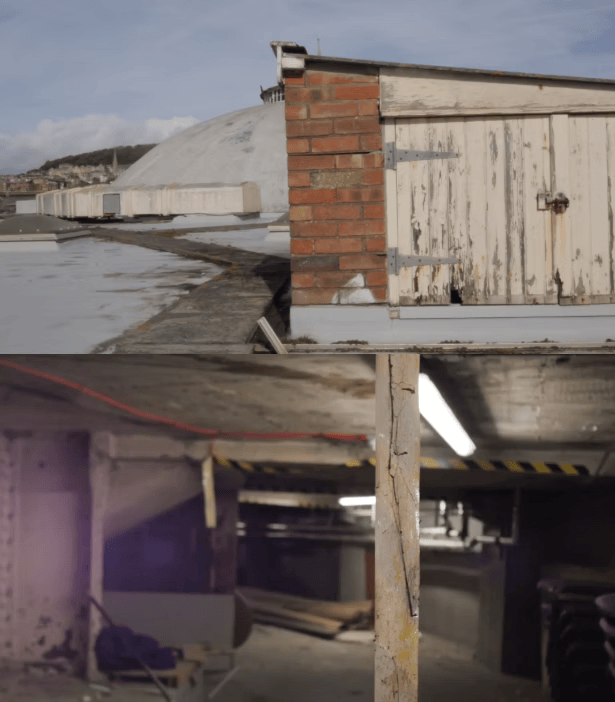
- 2015 onward: Ownership of the Winter Gardens was transferred to Weston College Group, ensuring its future and leading to a £15 million renovation.
- The refurbishment restored the historic 1920s portion of the Pavilion, repaired roof, walls, and plasterwork, and refurbished original features such as the ballroom’s uplighters.
- Acoustic improvements, a bespoke sound system, and modern AV technology were installed, making the venue competitive for contemporary events.
- The entrance was returned to its original location, a new reception created, and a suite of function rooms and meeting spaces developed.
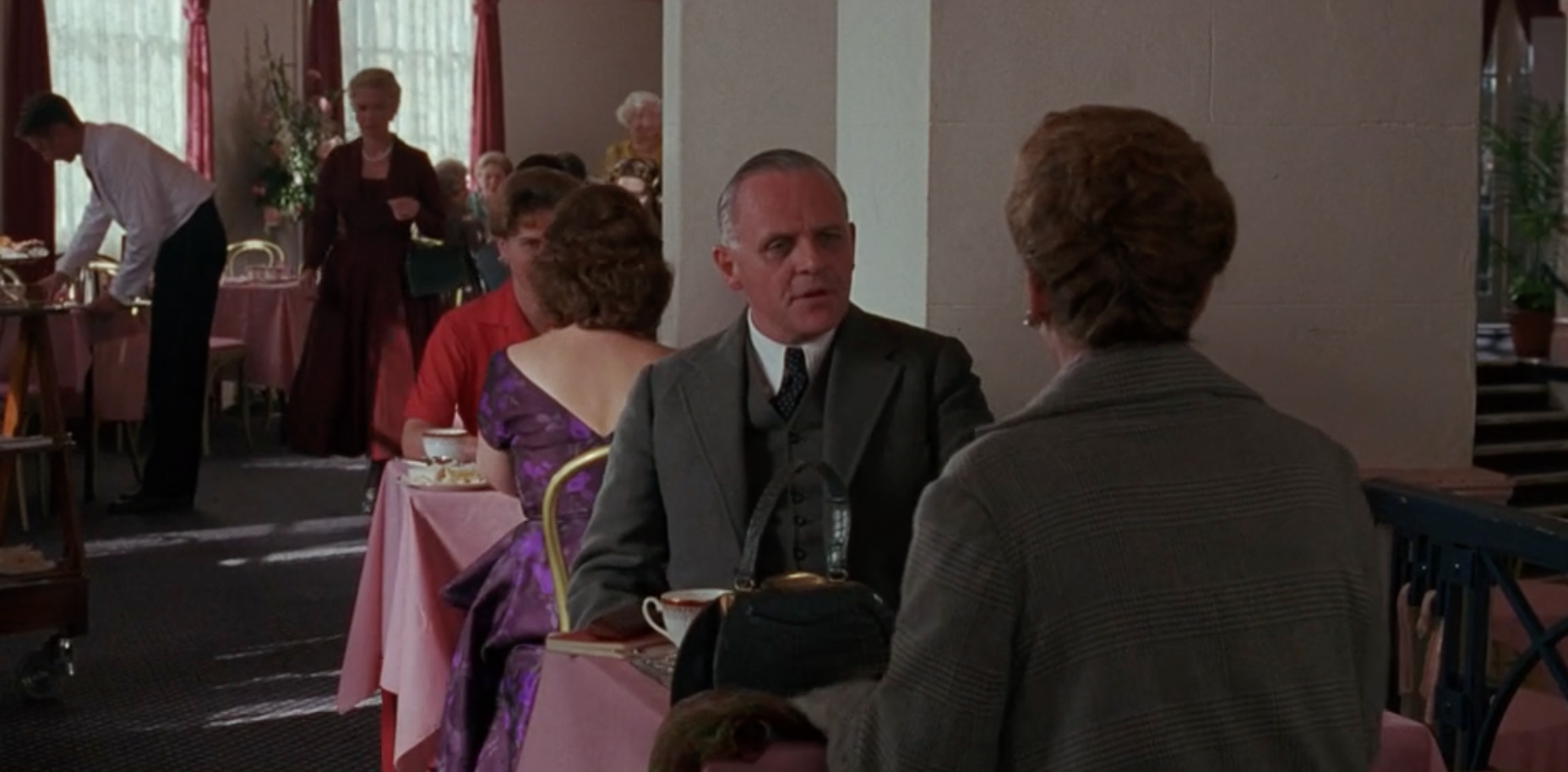
- Public dining options were modernised with a restaurant in the southern wing and The Green House Bistro opening onto the redesigned Italian Gardens in 2017.
- The Pavilion now serves both as a historic event venue and an educational facility, hosting University Centre Weston, the Higher Education section of the Weston College Group.
- 19 March 2020: BBC Question Time was recorded at the Winter Gardens, notable for being the first edition without an audience due to COVID-19 restrictions.
The Winter Gardens continues to combine its heritage charm with modern functionality, allowing visitors and students to experience a unique blend of history, culture, and education in Weston-super-Mare.
Share Your Memories
The Winter Gardens Pavilion isn’t just a historic building; it’s a place full of stories from generations of visitors. Did you come to a famous concert, enjoy a tea dance, or meet your future partner here? We want to hear from you!
You can share your memories, photographs, or memorabilia with us by:
Emailing us at: WGmemories@weston.ac.uk
Uploading your story or photo directly through our online submission form
Your contributions will help preserve the spirit of the Winter Gardens for future generations and may even be featured on our website, in exhibitions, or special anniversary celebrations.